- BY QiaoMing
- Project Cases
- 2026-07-27
- 186
Hastelloy C276 Alloy Full Technical Introduction
Hastelloy C276 Alloy Full Technical Introduction
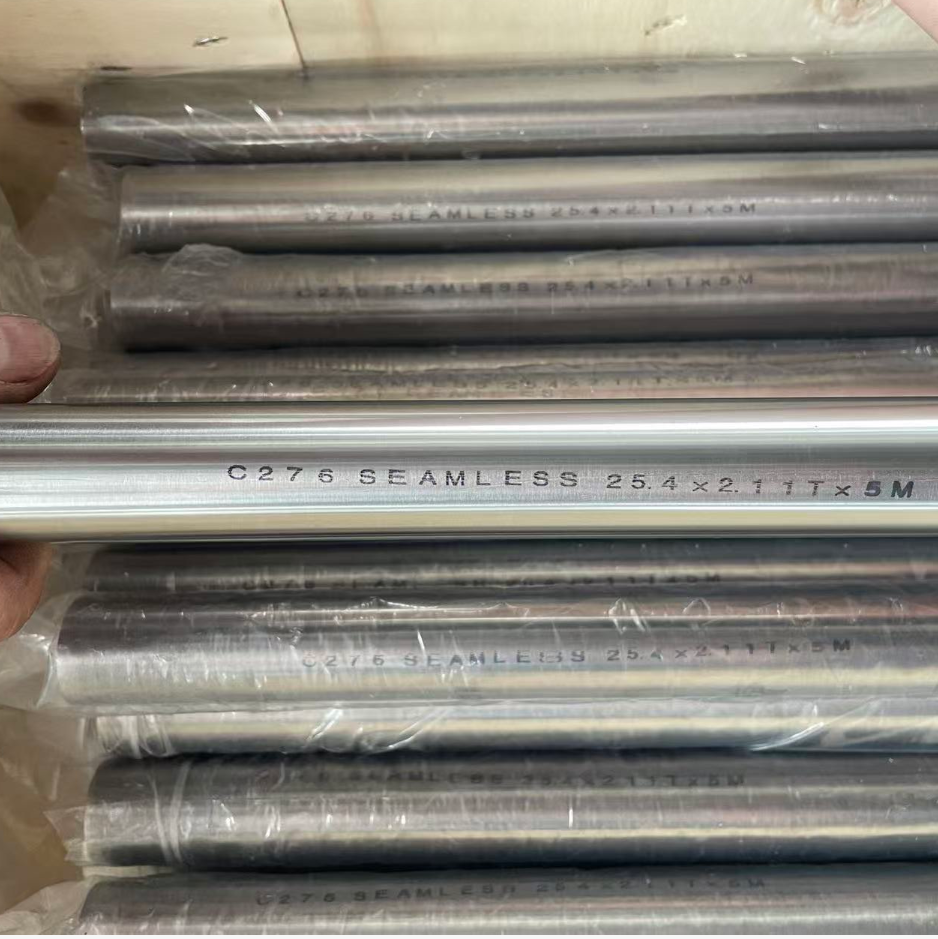
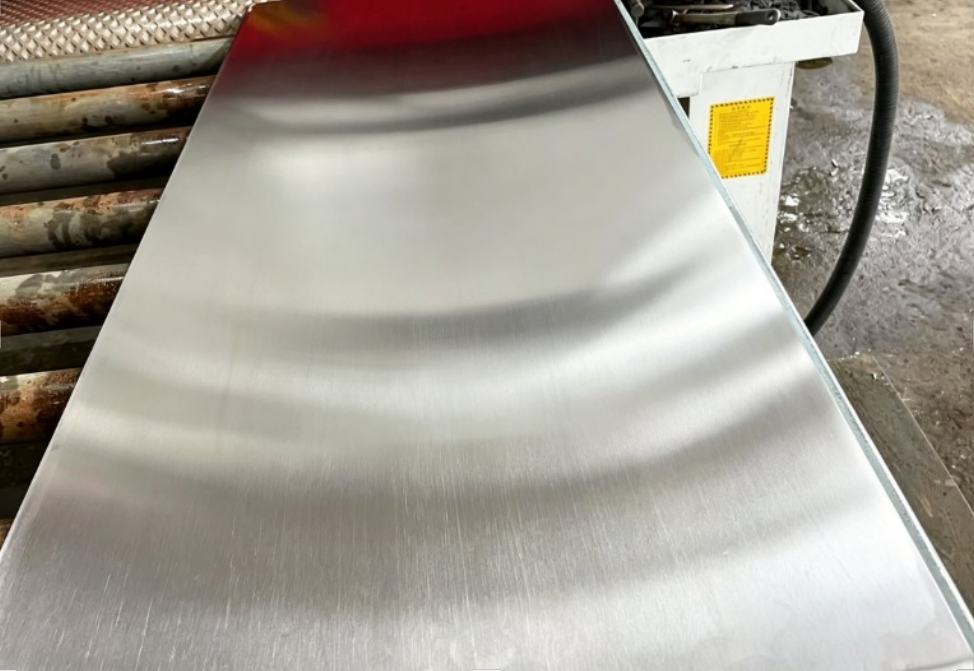
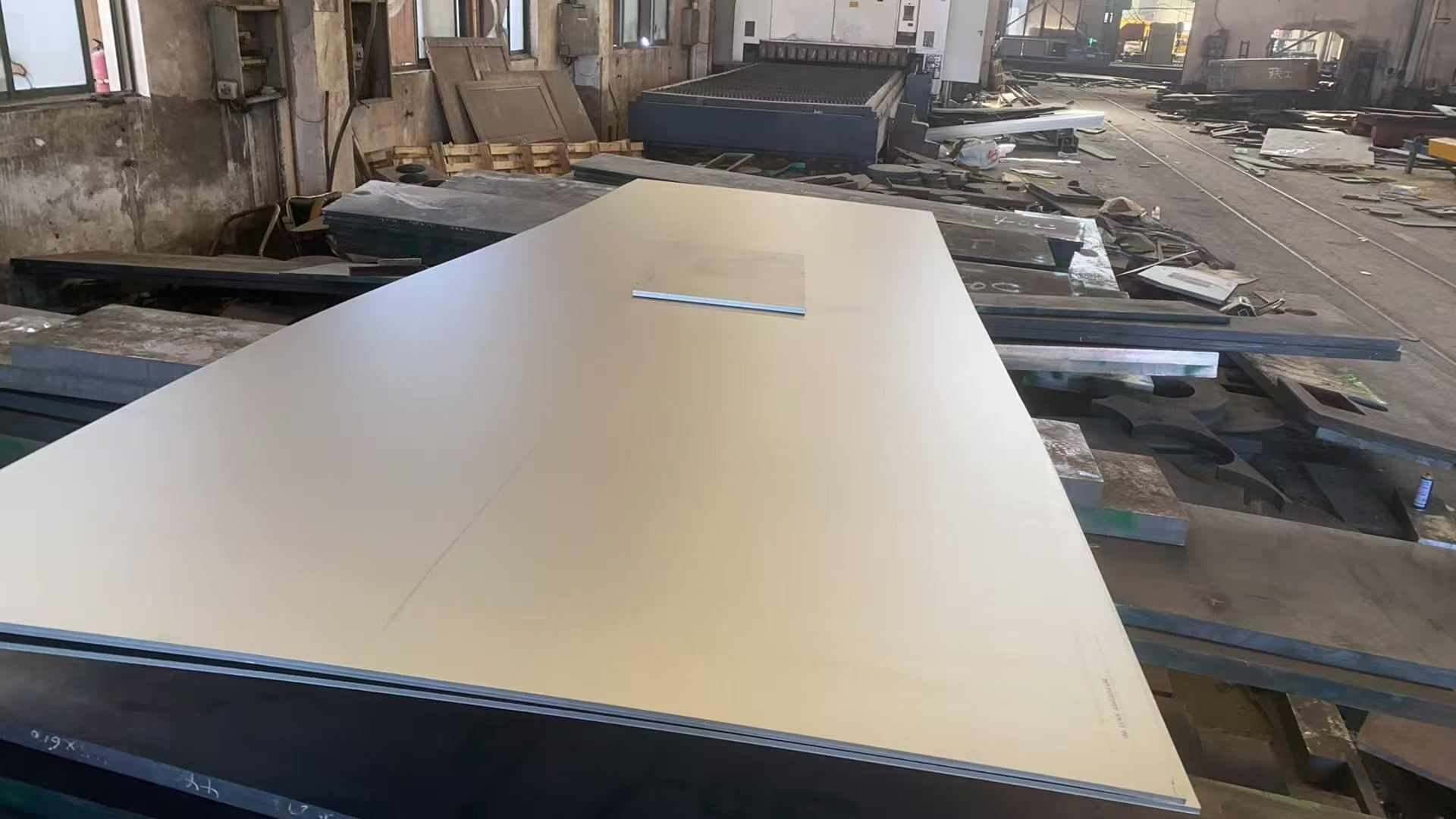
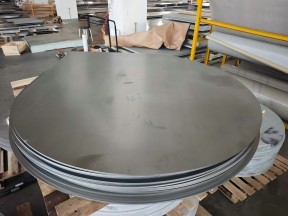
Hastelloy C276 is a nickel-based superalloy with nickel as the matrix (≥54%), molybdenum content of 15–17%, and chromium content of 14.5–16.5%. It is the classic representative of the Hastelloy C series.The alloy features a face-centered cubic (FCC) lattice structure and maintains a single austenitic microstructure from room temperature to elevated temperatures, delivering outstanding microstructural stability.It also contains tungsten (3–4.5%), iron (4–7%), plus trace amounts of cobalt, vanadium, carbon, manganese, silicon, phosphorus, sulfur and other elements.The low silicon (≤0.08%) and ultra-low carbon (≤0.01%) formulation significantly improves weldability and resistance to intergranular corrosion.
02. Core Properties: Five Major Advantages of This Ultra Corrosion-Resistant Superalloy
1. Outstanding Resistance to Hydrochloric Acid
The alloy exhibits remarkable resistance to hydrochloric acid across different concentrations and temperatures.Corrosion rate ≤ 0.05 mm/year in 10% hydrochloric acid at room temperature.It maintains reliable corrosion resistance in hydrochloric acid with concentrations up to 40% below 40°C, making it an ideal material for equipment used in hydrochloric acid processing.
2. Excellent Sulfuric Acid Resistance
It performs well in low-to-medium concentration sulfuric acid.Superior corrosion resistance can be achieved in all concentrations of sulfuric acid below 40°C, with a corrosion rate over 95% lower than that of stainless steel.
3. Exceptional Resistance to Chloride Corrosion
Highly resistant to chloride stress corrosion cracking. With PREN ≥ 69, it delivers strong protection against pitting and crevice corrosion in chloride-bearing media.It performs excellently in seawater, brine and other chloride environments, with a maximum service temperature up to 815°C.
4. Favourable Fabrication & Welding Performance
Good formability and weldability. Its ultra-low carbon (≤0.01%) and low silicon (≤0.08%) composition minimizes sensitization and intergranular corrosion risks.Solution-treated material features good ductility and toughness, suitable for cold working, hot working and machining.Compatible with multiple welding processes including TIG, MIG and plasma welding. Welded joints achieve desirable performance without post-weld heat treatment.
5. Superior High-Temperature Stability
Retains stable mechanical properties and corrosion resistance at elevated temperatures.When operated continuously below 815°C, the attenuation of mechanical properties is less than 10%.
03. Physical & Mechanical Properties
Physical Parameters
Density: approx. 8.89 g/cm³
Melting range: 1325–1370°C
Thermal conductivity (100°C): approx. 9.8 W/(m·K)
Coefficient of linear thermal expansion (20–100°C): 11.2×10⁻⁶/K
Modulus of elasticity: approx. 205 GPa
Magnetism: Non-magnetic
Pitting Resistance Equivalent Number: PREN ≥ 69
Mechanical Properties (Solution Treated, Minimum Values at Room Temperature)
Tensile Strength (σb): ≥730–795 MPa
Yield Strength (σ₀.₂): ≥315–415 MPa
Elongation (A): ≥40%
Brinell Hardness (HB): ≤290
04. Application Fields: Ultimate Material for Extreme Corrosive Conditions
Thanks to its all-round superalloy performance, Hastelloy C276 plays a vital role in numerous industries:
🏭 Chemical Processing Equipment
⛽ Petroleum Refining
♻️ Environmental Protection Facilities
🌊 Offshore & Marine Engineering
🔋 Battery Manufacturing
🧪 Pharmaceutical Production
Typical Application Scenarios
Chemical Processing
Manufacture of reactors, heat exchangers, evaporators, storage tanks and other equipment serving strong acid processes involving hydrochloric acid, sulfuric acid, hydrofluoric acid. Its corrosion rate is more than 95% lower than stainless steel in various strong acid environments.
Petroleum Refining
Used for hydroprocessing reactors, heat exchangers and other components, delivering stable performance under high-temperature, high-pressure and sulfur-containing working conditions.
Environmental Protection Equipment
Fabrication of absorbers, flue ducts for Flue Gas Desulfurization (FGD) systems. Stable against sulfur and chloride corrosive elements, service temperature up to 815°C.
Marine Engineering
Seawater piping, valves and components. Excellent resistance to pitting and crevice corrosion in chloride environments, PREN ≥69.
Battery Manufacturing
Corrosion-resistant parts for lithium-ion batteries, nickel-metal hydride battery production lines, maintaining stability when exposed to electrolytes.
Categories
Recent Post
-
Hastelloy C276 Alloy Full Technical Introduction
-
Incoloy 800H Premium Nickel Alloy for High-Temperature & High-Pressure Applications
-
Precision Manufactured Hastelloy C276 Seamless Pipes with Individual Protective Packaging
-
About S32760 Super Duplex Steel Coils
-
ASTM A342 Magnetic Permeability Testing of 316LN Stainless Steel: Why Inspection Location Matters